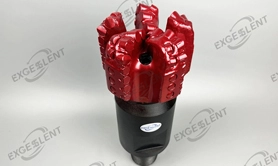
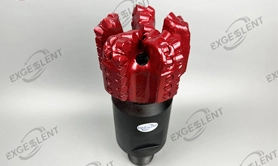
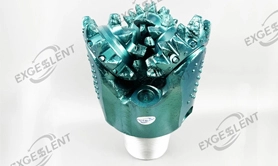
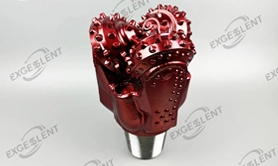
Polycrystalline Diamond Compact (PDC) bits are essential tools in modern drilling operations, particularly in oil, gas, mining, geothermal, and water well drilling. The size of a PDC bit, measured by its diameter, plays a pivotal role in determining drilling efficiency, cost-effectiveness, and overall project success. Selecting the appropriate bit size requires careful consideration of the hole diameter, formation type, drilling depth, speed, and rig capabilities. This guide provides a detailed exploration of PDC bit size selection, addressing why sizes matter, common sizes for various applications, how to match bit size with project requirements, tips for optimizing selection based on depth and speed, and common mistakes to avoid. By following these guidelines, drilling professionals can enhance performance and minimize operational risks.
What Are PDC Bit Sizes and Why Do They Matter?
PDC bit sizes refer to the diameter of the bit, typically measured in inches, which determines the size of the hole it can drill. These bits feature polycrystalline diamond cutters that shear through rock, offering superior durability and efficiency compared to traditional roller cone bits. The size of the bit is critical for several reasons:
Hole Diameter Compatibility: The bit size must align with the desired hole diameter, accounting for wear during drilling. For example, to drill an 8 1/2" hole, a bit of 8 1/2" or slightly larger is chosen to ensure the hole remains the correct size after wear.
Formation Suitability: The bit size influences its suitability for different geological formations. Larger bits with fewer cutters are effective in soft formations like shale, while smaller bits with more cutters are better for hard formations like granite.
Rig Compatibility: The bit size must match the drilling rig’s power, torque, and hydraulic capabilities. A bit too large for the rig can cause excessive vibration or operational failures.
Drilling Efficiency: The right size optimizes the rate of penetration (ROP), weight on bit (WOB), and rotary speed (RPM), ensuring efficient cutting and minimal wear.
Casing Program Integration: In oil and gas drilling, the bit size must allow for the installation of casing strings, which provide structural integrity to the wellbore. For instance, a 12 1/4" bit might be used to drill a section cased with 9 5/8" casing.
The size also affects the drilling fluid’s hydraulics, as larger bits require higher flow rates to clean the bit face and remove cuttings. Choosing the wrong size can lead to inefficiencies, increased costs, or even stuck pipe situations. According to industry guidelines, selecting the appropriate bit size is a foundational step in achieving cost-effective drilling.
Common PDC Bit Sizes for Oil, Gas, and Mining Applications
PDC bit sizes vary depending on the drilling application, with standard sizes tailored to specific industries and well designs. In oil and gas drilling, common sizes are dictated by the casing program and well depth. Based on industry data, the following sizes are frequently used:
Bit Size (inches)
Application
Notes
3 7/8, 4 1/8, 4 3/4
Surface sections
Used for shallow sections with larger casing sizes
6, 6 1/8, 6 1/4
Intermediate sections
Common for mid-depth wells, balancing ROP and stability
8 1/2, 8 3/4
Production sections
Widely used for final sections, accommodating production tubing
12 1/4, 17 1/2, 26
Deep wells
Suitable for deep, high-pressure environments requiring larger casings
1 to 3
Water well, HDD
Smaller sizes for pilot holes or specialized applications
Oil and Gas: Sizes like 6", 8 1/2", 12 1/4", 17 1/2", and 26" are standard for different well sections. For example, a 12 1/4" bit is often used for sections cased with 9 5/8" casing, while an 8 1/2" bit is common for production sections.
Mining: PDC bits in mining are used for blasting or production holes, with sizes similar to oil and gas but tailored to specific geological conditions.
Water Well and HDD: Smaller sizes (1" to 3") are used for pilot holes or trenchless applications, as noted by manufacturers like Infinity Tool MFG.
These sizes are widely available from Excellent Drill Bits, which offers PDC bits ranging from 3" to 26" with customization options to meet specific project needs.
Matching PDC Bit Size with Hole Diameter and Formation Type
Selecting the right PDC bit size involves aligning it with the desired hole diameter and the geological characteristics of the formation:
Hole Diameter:
The bit size should be slightly larger than the target hole diameter to account for wear. For example, a 12 1/4" bit might be used for a 12" hole to ensure the hole remains within specifications after drilling.
The bit’s gauge protection is critical to maintain the correct hole size, especially in long drilling intervals. Industry standards suggest a clearance of 0.375" to 0.75" larger than the casing outer diameter for optimal performance.
Formation Type:
Soft Formations (e.g., shale, sandstone): Larger bits with fewer cutters (e.g., 12 1/4" with 5 blades) are ideal for aggressive cutting and high ROP. These bits shear through soft rock efficiently, as noted in drilling best practices.
Medium-Hard Formations (e.g., limestone, dolomite): Medium-sized bits (e.g., 8 1/2" with 6-7 blades) with balanced cutter density provide a good compromise between speed and durability.
Hard Formations (e.g., granite, chert): Smaller bits (e.g., 6" to 8" with 7-9 blades) with more cutters are preferred for better penetration and wear resistance. These bits are designed to handle high compressive loads.
Abrasive Formations: Specialized designs with backup cutters or enhanced gauge protection are necessary to mitigate wear, particularly in sandy or gravelly formations.
The bit's profile also plays a role. Double cone profiles offer better gauge protection and directional control, while shallow cone profiles prioritize faster ROP but may require more frequent cleaning.
Tips for Choosing the Optimal Size Based on Drilling Depth and Speed
Drilling depth and speed significantly influence PDC bit size selection, as they affect stability, wear, and performance:
Drilling Depth:
Deep Wells: Larger bits (e.g., 17 1/2" to 26") are often used in deep wells due to their stability under high pressures and temperatures. These bits have more surface area for cutters, distributing the load evenly and reducing the risk of failure. For example, deep oil and gas wells may use a 17 1/2" bit for intermediate sections to ensure structural integrity.
Rig Compatibility: Ensure the rig can provide the necessary torque and WOB for larger bits, as these require more power. Inadequate rig capabilities can lead to inefficiencies or equipment damage.
Casing Program: The bit size must align with the casing program to allow for smooth casing installation. For deep wells, this often means selecting larger bits early in the drilling process.
Drilling Speed:
High RPM: PDC bits perform best at high RPMs with low WOB, as they shear rock efficiently. For high-speed drilling, select bits with robust designs and optimized cutter configurations to handle rotational stress without excessive vibration or wear.
Cutter Geometry: Bits with specific back rake angles or cutter sizes (e.g., 8 mm to 19 mm) can enhance performance at high speeds by improving cleaning efficiency and reducing torque fluctuations.
Hydraulic Considerations: Larger bits used in high-speed drilling require higher flow rates to clean the bit face. Ensure the drilling fluid system can deliver adequate volume and pressure.
Balancing Depth and Speed:
For deep, high-speed drilling, a larger bit with a robust matrix or steel body and optimized cutter layout is ideal. However, always verify that the bit’s hydraulic requirements and the rig’s capabilities are aligned to avoid operational issues.
Mistakes to Avoid When Selecting PDC Bit Sizes
Several common mistakes can undermine drilling efficiency and increase costs:
Choosing a Bit Too Small:
A bit smaller than the required hole diameter can lead to inefficient cutting, increased wear, and potential damage to the drilling assembly. For example, using a 6" bit for an 8 1/2" hole will result in poor performance and excessive wear.
Selecting a Bit Too Large:
A bit that exceeds the rig’s torque or WOB capabilities can cause excessive vibration, stuck pipe, or equipment failure. Always verify rig specifications before selecting a larger bit.
Ignoring Formation Characteristics:
Using a bit designed for soft formations in a hard rock environment can lead to rapid cutter wear and reduced ROP. Conversely, a hard-formation bit in soft rock may not achieve optimal penetration rates.
Neglecting Drilling Parameters:
Each PDC bit is designed for specific WOB and RPM ranges. Operating outside these ranges can reduce efficiency or cause premature failure. For instance, excessive WOB can damage cutters, while insufficient RPM can lower ROP.
Overlooking the Casing Program:
Failing to align the bit size with the casing program can disrupt the well design, leading to delays or additional costs. For example, a bit that doesn’t allow for proper casing clearance can prevent successful casing installation.
Not Consulting Experts:
Failing to consult with bit manufacturers or experienced drillers can result in suboptimal choices. Manufacturers like Excellent Drill Bits offer expertise and customized solutions to ensure the right bit size is selected.
Selecting the right PDC bit size is a complex but critical decision that impacts the success of drilling projects in oil, gas, mining, and other industries. By understanding the importance of bit size, knowing the common sizes for different applications, matching the bit to the hole diameter and formation type, considering drilling depth and speed, and avoiding common mistakes, drilling professionals can optimize performance, reduce costs, and enhance safety. For high-quality PDC bits and expert guidance, Excellent Drill Bits provides a range of solutions, from 3" to 26" bits, tailored to meet diverse project needs.

 EN
EN