Tel:
0086-190-3126-6699
Email:
jessica@sanlongdrillbit.cn

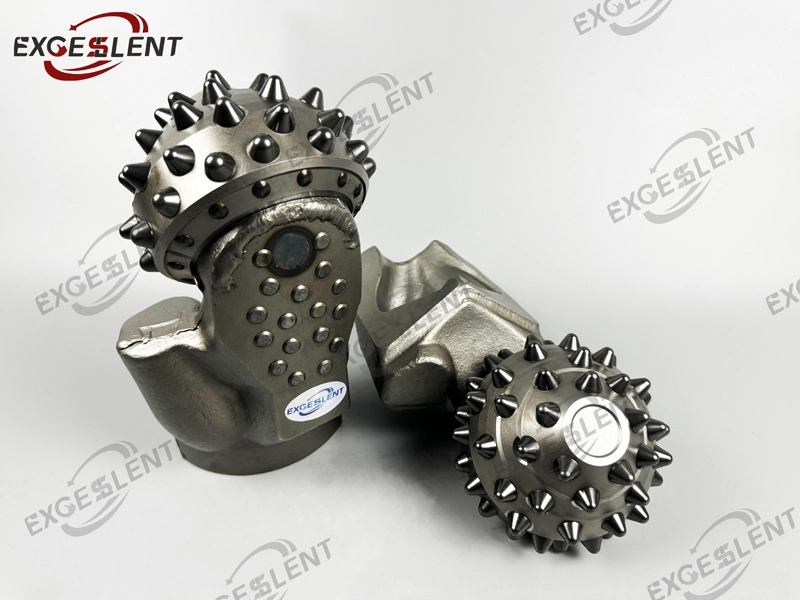
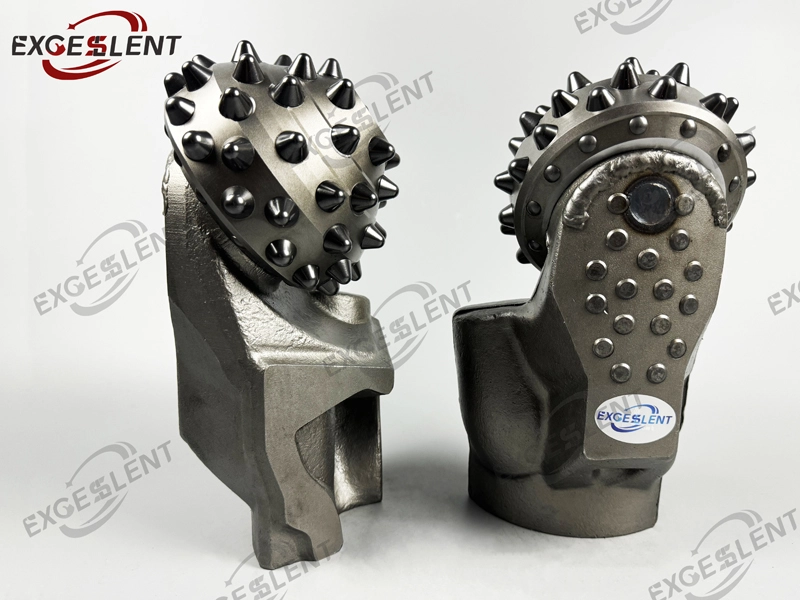
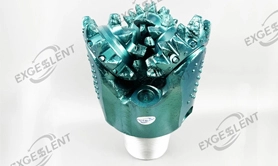
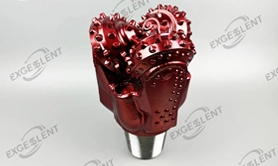
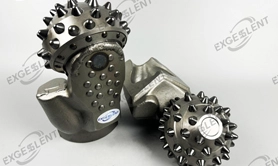
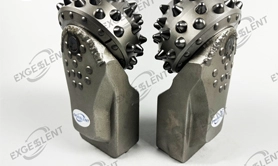
A roller cone, also known as a cone cutter, is the core cutting structure of a tricone drill bit. Each cone rotates independently and is embedded with carbide inserts or steel teeth. As the cones roll along the wellbore bottom, the teeth crush, shear, and grind different rock formations.
This structure makes roller cones ideal for medium to hard formations in oil & gas drilling, mining, water well drilling, and geothermal applications, where durability, penetration rate, and efficiency are critical.
| Item | Description |
| Product Name | Roller Cone / Cone Cutter |
| Compatible Bit | Tricone Bits (API Standard) |
| Cutting Structure | Tungsten Carbide Insert / Steel Tooth |
| Formation Suitability | Medium to Hard Formations |
| Cone Material | Alloy steel, heat treated |
| Teeth Material | TCI / Milled steel |
| Application | Oil, Gas, Mining, Geothermal |
| Customization | Teeth design, bearing structure, insert type |
High Durability: Made with tungsten carbide or hard alloy teeth, offering resistance to abrasion and impact in harsh drilling conditions.
Adaptability: Suitable for various formations, from soft to medium-hard rocks, ensuring versatile usage across different drilling environments.
Efficient Drilling: Rolling action reduces drag and improves rate of penetration (ROP), optimizing drilling speed.
Cost-Effectiveness: Cone cutters can be replaced individually, extending the lifespan of the tricone bit and minimizing operational costs.
Crushing, Grinding, and Shearing Action
Inserts/teeth strike the formation
Cones rotate to distribute wear
Enables consistent penetration & longer bit life
Two Main Types of Roller Cones:
1. Tungsten Carbide Insert (TCI) Cone
For hard/abrasive formations
High wear resistance
Long lifespan
2. Milled Steel Tooth Cone
For soft to medium formations
High ROP (rate of penetration)
Cutting structure optimized for fast drilling
1. What is a roller cone used for?
A roller cone is used as the cutting structure on tricone bits to drill through different rock formations.
2. What is the difference between TCI and steel tooth roller cones?
TCI uses carbide inserts for hard formations; steel tooth cones are for softer formations requiring fast drilling.
3. What rock formations are roller cones best for?
Medium to hard formations, depending on the insert type and tooth structure.
4. How long does a roller cone last?
It depends on formation hardness, operating parameters, and insert type. TCI cones typically last longer in abrasive conditions.
 EN
EN