Tel:
0086-190-3126-6699
Email:
jessica@sanlongdrillbit.cn

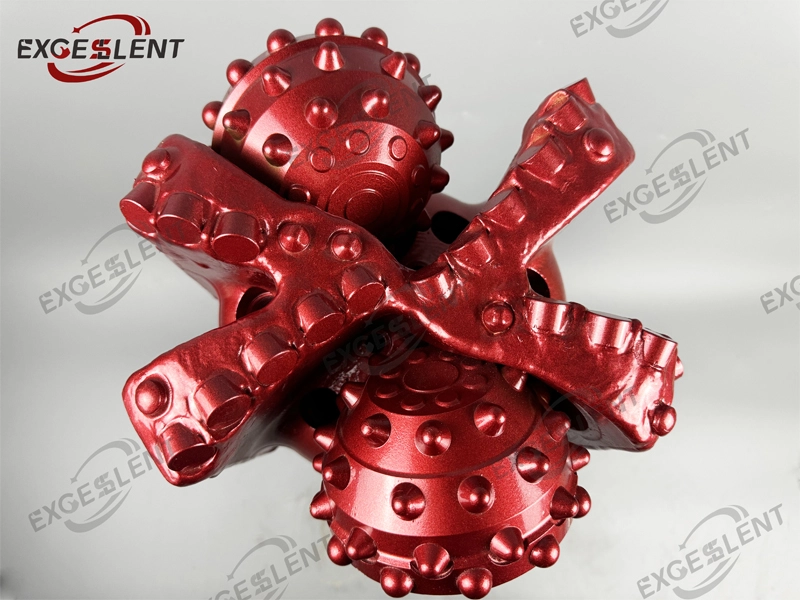
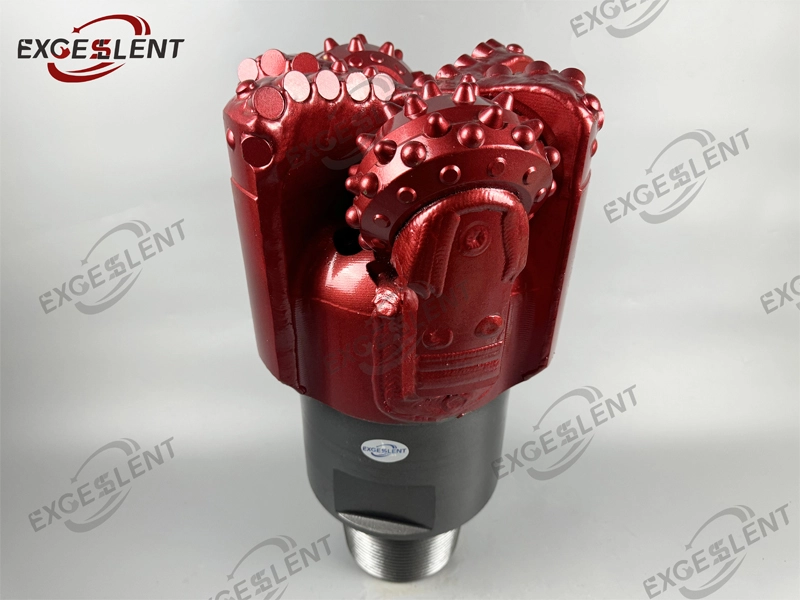
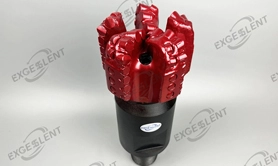
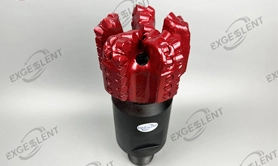
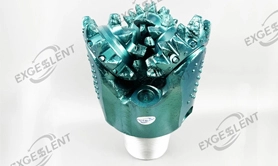
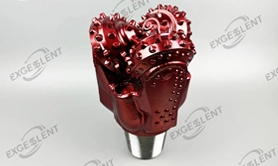
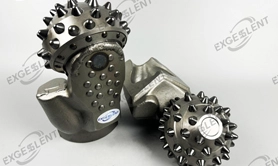
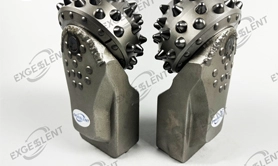
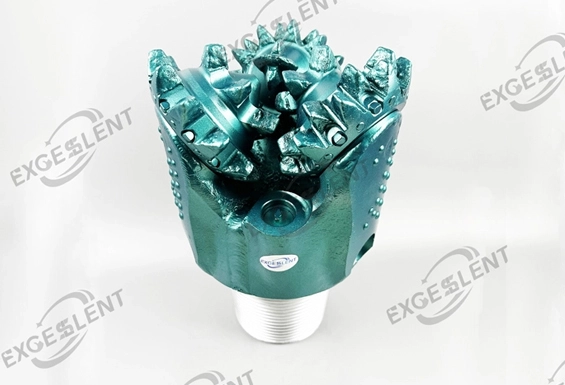
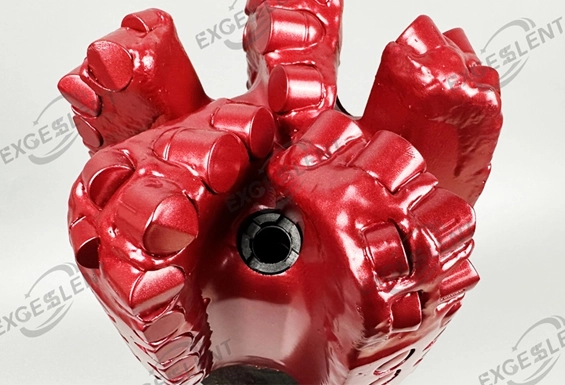
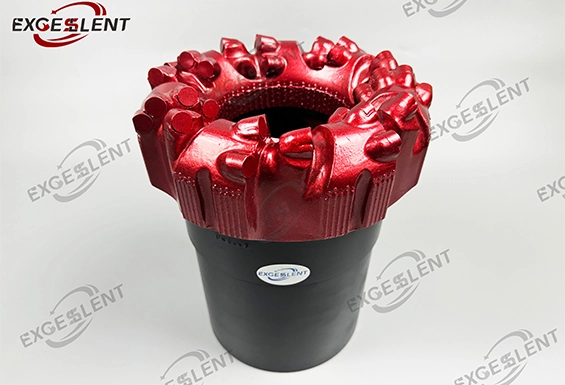
The hybrid drill bit integrates PDC cutters and conical inserts, combining the strengths of both designs. The PDC section delivers faster rate of penetration (ROP) at lower weight on bit (WOB), while the conical section minimizes drill string vibration, ensuring stable and efficient drilling through hard rock formations and interlayers.
Ideal for oil & gas, mining, and water well drilling, this hybrid drill bit offers enhanced performance and extended service life.
| Inch | Blade | Cutter | Nozzle | Gage length | Connected Thread | Rotate Speed | Weight | Displacement |
| 12 1/2 | 3 | 16 | 6 | 2-3.5 | 6 5/8 API REG | 60-250 | 30-180 | 45-80 |
| 8 1/2 | 6 | 16 | 6 | 2-3.5 | 4 1/2 API REG | 60-250 | 10-100 | 25-36 |
Enhanced cutting structure for mixed formations
Optimized hydraulic design for efficient chip removal
Long service life with reduced wear rate
1. Dual Cutting Mechanism: Shearing and Crushing
The hybrid bit's cutting structure works in two stages. The tungsten carbide conical elements engage the rock first, crushing hard layers through impact and indentation to create micro-fractures and an uneven borehole bottom. This pre-weakened surface dramatically lowers the specific energy required for the PDC cutters to shear and remove the rock — allowing the PDC section to operate at its optimal penetration rate even in formations that would otherwise cause premature cutter wear or bit stall.
2. Vibration Reduction and Bit Stability
Stick-slip, torsional vibration, and bit bounce are the primary causes of PDC cutter damage and premature bit failure in hard or interbedded formations. The conical rolling elements on the hybrid bit act as a passive vibration-damping mechanism: as they roll across the formation, they absorb and redistribute impact energy that would otherwise transmit directly to the PDC cutters and the BHA. The result is a smoother, more stable bit run — better toolface control in directional sections and longer cutter life across the entire run.
3. Optimized Hydraulics
The hybrid bit's complex geometry requires careful hydraulic design to ensure flow reaches both the PDC cutting face and the areas around the conical elements.
4. Cutting Structure Balance Analysis
An unbalanced cutting structure generates net lateral forces that push the bit off-center, degrading borehole quality and making directional control difficult. Sanlong's design process includes cutting structure force balance analysis for every hybrid bit configuration — optimizing the spatial distribution of PDC cutters and conical elements to minimize lateral force imbalance, improve gauge holding, and maintain steer-ability in directional and horizontal wells.
Oil and Gas Exploration: Hybrid bits are used in complex drilling environments where varying rock types and formations are encountered.
Mining: Hybrid bits work to their advantage in mining operations with varying rock hardness and abrasiveness.
Construction: Hybrid drill bits can handle diverse materials and conditions encountered in construction drilling tasks.
| Hybrid Bit | PDC Bit | TCI Tricone Bit | |
| Best formation type | Interbedded, carbonate, variable hardness | Soft to medium, consistent lithology | Medium to hard, abrasive, uniform |
| ROP in soft sections | High | Highest | Moderate |
| ROP in hard/interbedded | High and sustained | Drops sharply; cutter damage risk | Moderate and consistent |
| Vibration in hard formations | Low (conical damping) | High (stick-slip risk) | Low |
| Toolface control | Excellent | Good in stable formations | Moderate |
| Cost per bit | Higher | Medium | Medium |
| Best use case | Complex wells, transition zones, directional in hard rock | Predictable soft-medium formations | Consistent hard formation programs |
We provide tailor-made hybrid drill bits based on customer specifications, including size, cutting structure, and material selection. Our one-stop procurement ensures you receive complete drilling solutions to improve efficiency and reduce costs.
Sanlong Drill Bits have been exported to Russia, the USA, South Africa, Mexico, Turkey, and more. Our clients report higher drilling efficiency, longer bit life, and consistent performance across challenging geological conditions.
1. What advantages do hybrid drill bits offer over traditional PDC or roller cone bits?
For buyers evaluating pdc vs roller cone bit performance, hybrid bits combine shearing and crushing actions for better performance in mixed formations, reducing vibration and extending life.
2. Are your hybrid bits API certified?
Absolutely, all comply with API 7-1 and ISO standards for global reliability.
3. What are the "conical elements" in a hybrid bit?
The conical elements are tungsten carbide inserts shaped with a dome or cone profile, mounted on rotating roller sub-assemblies within the bit body. As the bit rotates, these elements roll across the formation surface, crushing and fracturing rock through compressive indentation — the same mechanism used in TCI tricone bits. Their placement between the PDC blade sections allows them to pre-weaken hard rock before the PDC cutters engage, reducing the shear force required at each PDC cutter and significantly reducing stick-slip vibration.
 EN
EN