Tel:
0086-190-3126-6699
Email:
jessica@sanlongdrillbit.cn

A tricone drill bit works by using three rotating cone-shaped cutters to crush, chip, gouge, and grind rock as the drill string turns. Each cone rotates independently on a bearing system, while the bit body transfers weight, torque, and drilling fluid or air to the bottom of the hole.
For drilling contractors, water well teams, mining operators, geothermal projects, and oilfield buyers, understanding how a tricone drill bit works is important for selecting the right cutting structure, IADC code, bearing type, nozzle design, and formation match. A well-matched bit can improve penetration stability, reduce premature wear, and lower drilling cost per meter or cost per foot.
EXCELLENT(Sanlong) is one of the experienced tricone bit manufacturers supplying steel tooth and TCI tricone solutions for different drilling conditions. If you are comparing a tricone drill bit for soft, medium, hard, or abrasive formations, the first step is to understand the working mechanism behind the three cones.
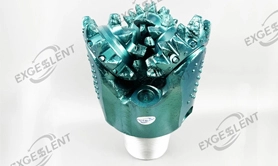
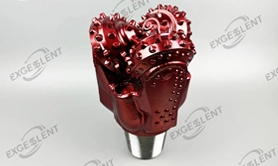
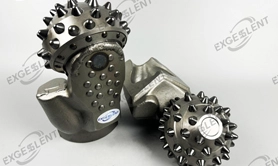
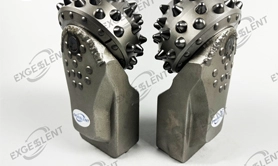
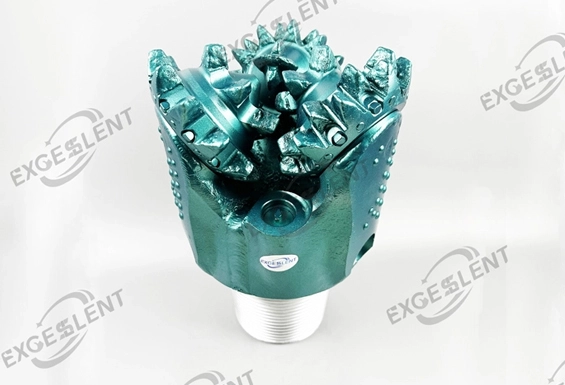
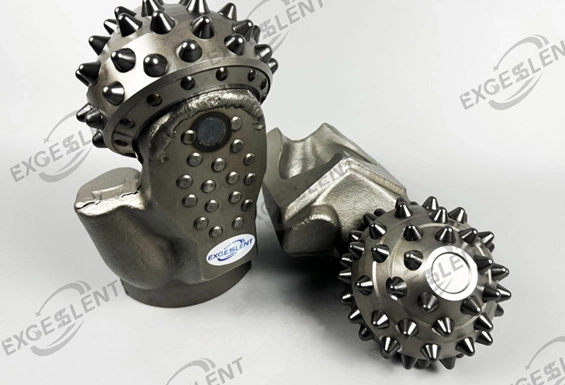
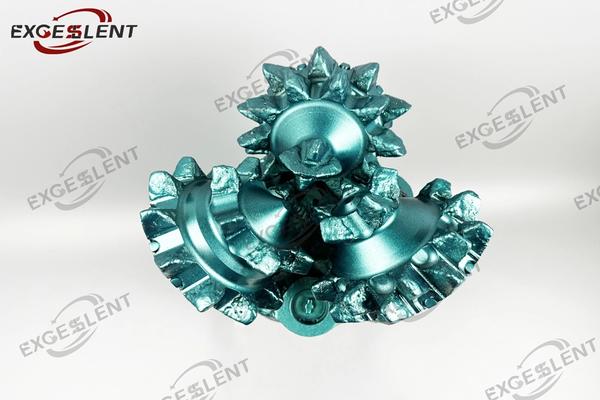
A tricone drill bit is a roller cone drill bit with three cone assemblies mounted on the bit body. Each cone carries either milled steel teeth or tungsten carbide inserts. During drilling, the cones roll across the bottom of the hole and break the formation through repeated contact between the teeth or inserts and the rock surface.
The three-cone design gives the bit strong formation adaptability. A steel tooth tricone bit is usually selected for soft to medium formations where aggressive scraping and gouging are needed. A TCI bit is selected for harder and more abrasive formations where insert strength, wear resistance, and impact durability matter more.
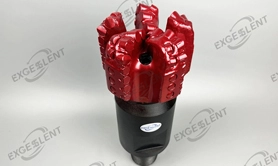
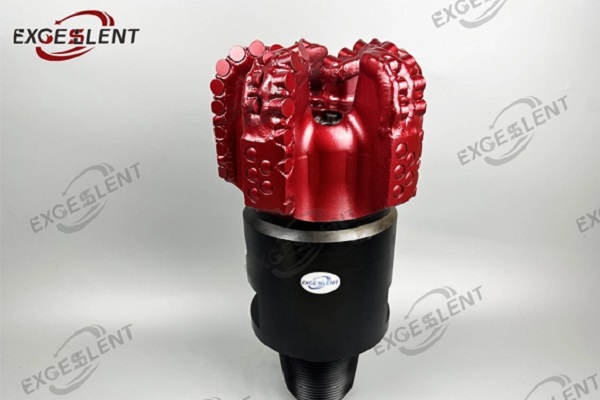
Compared with a fixed-cutter PDC bit, a tricone bit has moving cones and a bearing system. This makes it different in both rock-breaking action and maintenance considerations. In mixed or unpredictable formations, the rolling and crushing action of a tricone bit can offer better stability than a pure shearing design.
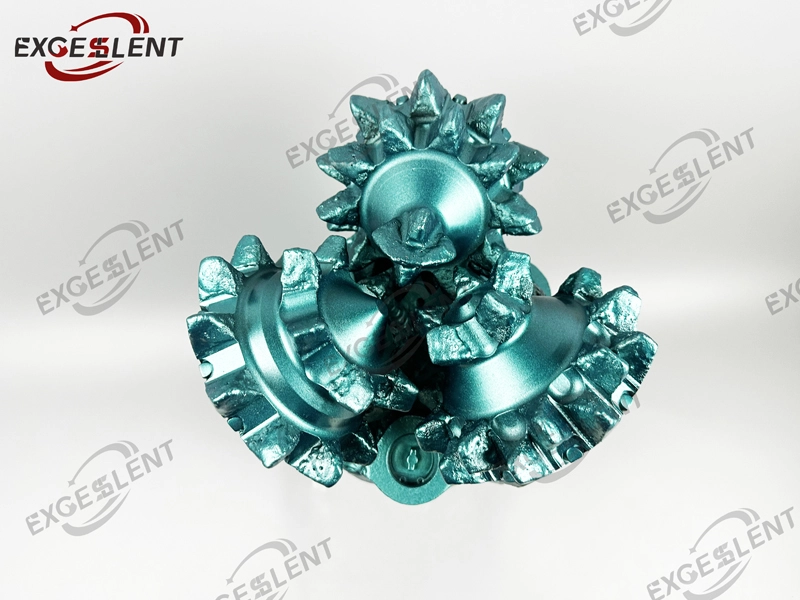
A tricone drill bit for sale works through the combined action of rotation, weight on bit, cone rolling, tooth engagement, and cuttings removal. The process can be explained in five practical steps.
The rotary table or top drive turns the drill string, and the drill string transfers torque to the bit. At the same time, controlled weight on bit presses the cones against the formation. Without enough weight, the teeth may slide rather than bite. With excessive weight, the bit may experience high vibration, bearing load, tooth breakage, or reduced life.
As the bit body rotates, the three cones roll on the bottom-hole surface. Each cone turns independently around its own journal or bearing pin. This independent cone movement allows the bit to contact different areas of the hole bottom and distribute the rock-breaking load across the three cutting structures.
The cutting structure determines how the bit attacks the formation. Milled steel teeth create aggressive scraping and gouging action in softer formations. Tungsten carbide inserts apply stronger crushing, chipping, and impact action in harder formations.
In practical drilling, the rock is not removed in one single action. The cones repeatedly indent, fracture, scrape, and chip the formation until small cuttings are created.
Drilling fluid, air, or foam passes through bit nozzles to cool the cutting structure, clean the cone area, and carry rock cuttings away from the bottom of the hole. If cuttings are not removed effectively, they can be re-ground by the bit, reducing rate of penetration and increasing wear.
The bearing system allows each cone to rotate under high load. Depending on the application, the tricone bit may use sealed or unsealed bearing designs. Sealed bearing systems help protect internal bearing surfaces from drilling contaminants, while some mining and air drilling applications may use different bearing structures based on cost, formation, and operating conditions.
To understand how a tricone drill works, buyers should know the major components and what each part does.
Component | Function | Why It Matters for Buyers |
Bit Body | Holds the three legs and connects to the drill string | Affects strength, connection type, and overall durability |
Three Cones | Roll across the formation and carry the teeth or inserts | Determines rock contact pattern and cutting efficiency |
Steel Teeth or TCI Inserts | Break the rock by scraping, gouging, crushing, or chipping | Must match soft, medium, hard, or abrasive formations |
Bearings | Support independent cone rotation under load | Directly affects service life and reliability |
Nozzles | Direct drilling fluid or air to clean the bottom hole | Influences cooling, cuttings removal, and penetration stability |
Gauge Protection | Helps maintain hole diameter and protects the bit body | Important in abrasive and hard formations |
The biggest selection difference in tricone bits is often the cutting structure. Steel tooth and TCI designs both use three cones, but they interact with rock differently.
Item | Steel Tooth Tricone Bit | TCI Tricone Bit |
Cutting structure | Milled steel teeth | Tungsten carbide inserts |
Main rock-breaking action | Scraping, gouging, and tearing | Crushing, chipping, and impact indentation |
Typical formation | Soft to medium formations | Medium-hard to hard and abrasive formations |
Common buyer priority | Fast penetration in softer formations | Wear resistance and durability in harder formations |
Wear concern | Tooth wear in abrasive rock | Insert breakage or gauge wear under severe impact |
Best use case | Clay, shale, soft sandstone, soft limestone | Hard sandstone, dolomite, granite, chert, abrasive rock |
For mining applications, EXCELLENT(Sanlong) also supplies mining tricone drill bits designed for open-pit coal mines, iron mines, gold mining, non-ferrous metal mines, air drilling, and high-compressive-strength hard formations.
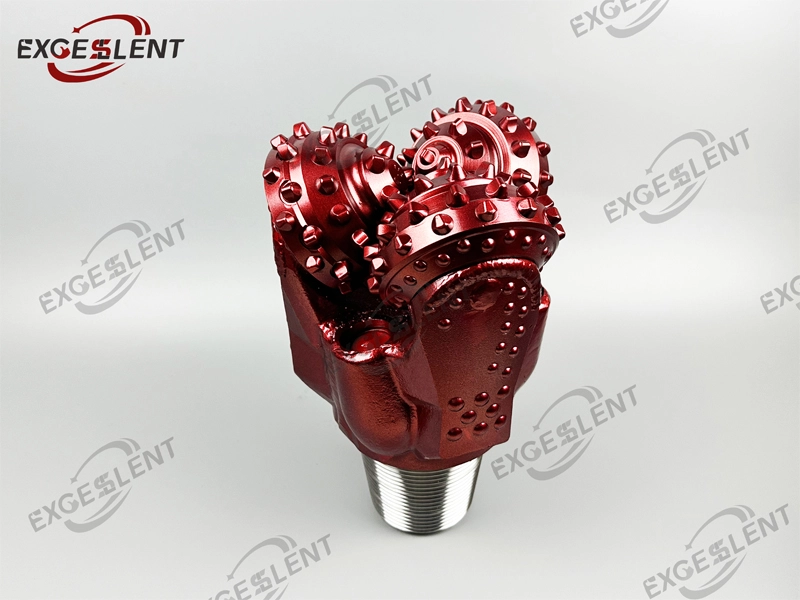
Several numbers are useful when evaluating how a tricone bit works and how to choose the correct design.
3 cones: A tricone bit uses three rotating cones. This is the foundation of its rolling cone structure and the reason it can distribute impact and cutting load across the bottom of the hole.
3.5 inches to 26 inches: EXCELLENT(Sanlong) mining tricone drill bit sizes can range from 3.5 inches to 26 inches, covering many mining, water well, and rotary drilling requirements.
IADC 537 and 637: These are common example IADC codes used for insert-type tricone bits in harder and more abrasive formations. The IADC code helps buyers identify cutting structure, formation suitability, bearing type, and gauge features.
2 7/8 inch API REG and 3 1/2 inch API REG: These are example API connection types listed for mining tricone drill bits. Connection selection must match drill pipe and rig requirements.
30-33 degrees and 34-39 degrees: Industry drilling references commonly describe smaller journal angles around 30-33 degrees for softer formations requiring lower WOB, while larger journal angles around 34-39 degrees are used for harder formations requiring higher WOB. This helps explain why soft-formation and hard-formation tricone bits do not share the same cone geometry.
A tricone bit and a PDC bit can both drill rock, but they do not work the same way. A tricone bit uses rolling cones to crush, chip, gouge, and grind the formation. A PDC bit uses fixed polycrystalline diamond compact cutters to shear the rock.
Comparison Item | Tricone Bit | PDC Bit |
Rock-breaking method | Rolling, crushing, chipping, gouging | Shearing and scraping |
Moving parts | Three rotating cones and bearing system | No rotating cones |
Formation adaptability | Strong in mixed, hard, abrasive, and unpredictable formations | Strong in stable soft to medium-hard formations |
Common risk | Bearing wear, cone wear, tooth or insert wear | Cutter chipping, vibration, thermal wear |
Buyer focus | IADC code, tooth type, bearing, nozzle, gauge protection | Cutter size, blade count, body type, hydraulic design |
If the project requires fixed-cutter drilling in stable formations, buyers may also compare PDC drill bit options. If the formation is mixed, broken, hard, or unpredictable, a tricone bit may provide better adaptability and impact resistance.
Before requesting a quotation, buyers should prepare the drilling conditions clearly. A reliable supplier cannot recommend the correct bit only from hole diameter and price target.
Formation type: soft, medium, hard, abrasive, broken, interbedded, shale, sandstone, limestone, dolomite, granite, or chert.
Application: oil and gas, water well, geothermal, mining, construction, or exploration drilling.
Hole size: confirm required bit diameter and tolerance.
Drilling method: mud rotary, air drilling, foam drilling, or other circulation method.
Rig parameters: rotary speed, WOB range, torque capacity, pump flow, compressor capacity, and drilling depth.
Connection: confirm API REG or other thread requirements.
Performance goal: faster ROP, longer life, fewer trips, better gauge holding, or lower cost per meter.
EXCELLENT(Sanlong) can recommend steel tooth, TCI, or mining tricone designs based on formation hardness, abrasiveness, hole size, connection type, and project target.
A tricone bit may fail early or drill inefficiently when its design does not match the formation or operating parameters. Common problems include slow penetration, broken teeth, insert loss, excessive gauge wear, bearing failure, cone locking, vibration, and poor cuttings removal.
For example, using a soft-formation steel tooth bit in abrasive hard rock may cause rapid tooth wear. Using an overly hard-formation bit in a soft formation may reduce aggressiveness and slow penetration. Poor hydraulic cleaning may cause cuttings to accumulate at the bottom of the hole, forcing the bit to regrind rock instead of drilling new formation.
This is why experienced tricone bit manufacturers often ask for formation details, previous bit records, WOB, RPM, flow rate, and drilling depth before recommending a product.
A tricone drill bit works by rotating three cone-shaped cutters against the rock. The cones roll independently, and their steel teeth or tungsten carbide inserts crush, chip, scrape, or gouge the formation while drilling fluid or air removes cuttings.
The three-cone structure distributes cutting load across the bottom of the hole and allows the bit to break rock from multiple contact points. This improves formation adaptability and makes tricone bits useful in soft, medium, hard, and mixed formations.
Steel tooth tricone bits use milled teeth and are better for soft to medium formations. TCI tricone bits use tungsten carbide inserts and are better for harder, more abrasive, and higher-impact formations.
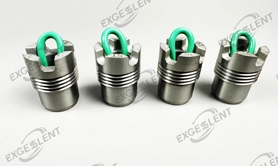
Nozzles direct drilling fluid or air to the bottom of the hole. They cool the bit, clean the cones, and remove cuttings. Good nozzle design helps improve penetration rate and reduce regrinding of cuttings.
Neither bit type is always better. A tricone bit is often more adaptable in hard, mixed, abrasive, or unpredictable formations. A PDC bit may drill faster in stable soft to medium-hard formations where shearing action is effective.
Send the bit size, formation type, drilling depth, application, rig model, WOB, RPM, mud or air system, connection thread, target ROP, and any previous bit performance records. This helps EXCELLENT(Sanlong) recommend a suitable tricone drill bit for your project.
A tricone drill bit works through three independent rotating cones that apply scraping, gouging, crushing, chipping, and grinding actions to the rock. Its performance depends on cutting structure, bearing design, nozzle cleaning, gauge protection, journal angle, IADC code, and how well the bit matches the formation.
For drilling buyers, the goal is not simply to find a standard bit, but to select a tricone design that fits the actual rock, rig, circulation method, and cost target. EXCELLENT(Sanlong) supplies steel tooth, TCI, and mining tricone drill bit solutions for oil and gas, water well, geothermal, mining, and related drilling applications. Share your drilling conditions and target performance requirements to discuss a practical tricone bit recommendation.
 EN
EN