Tel:
0086-190-3126-6699
Email:
jessica@sanlongdrillbit.cn

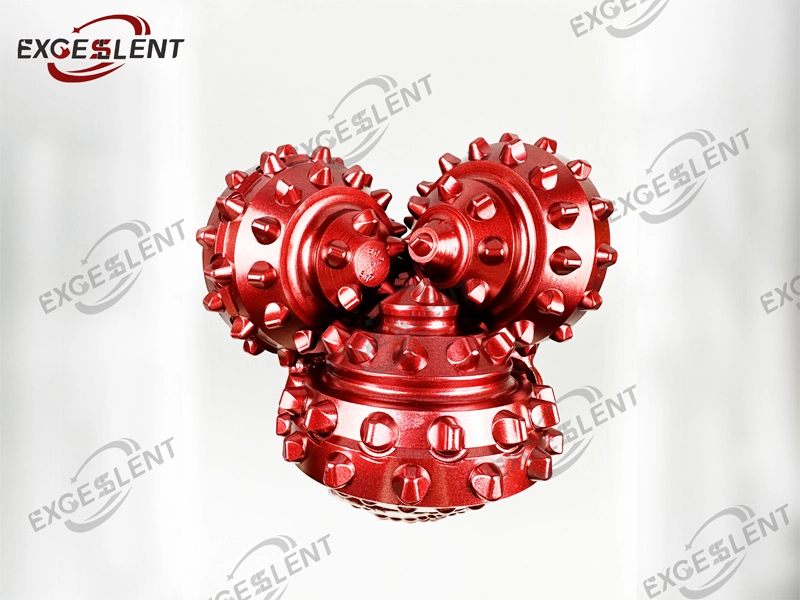
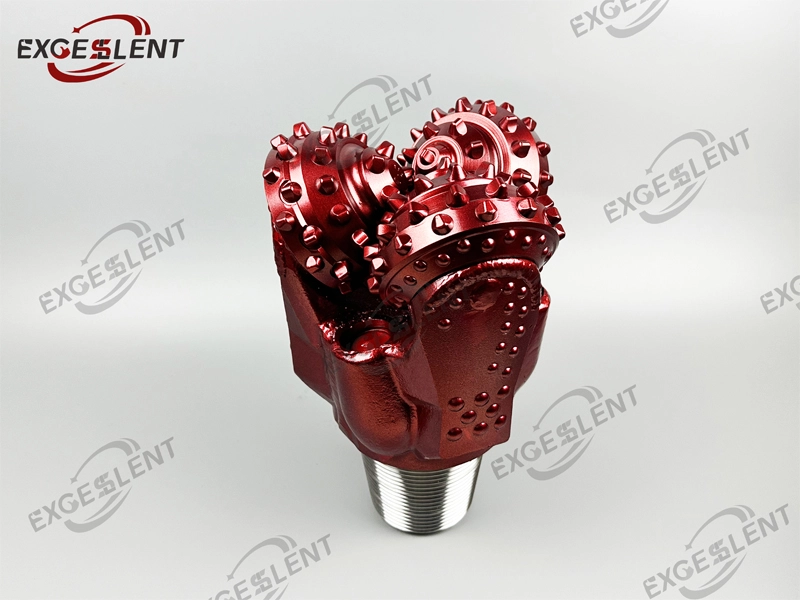
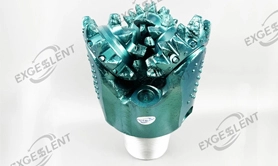
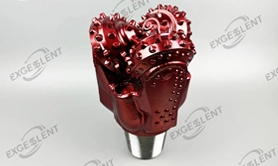
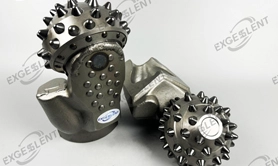
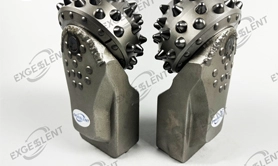
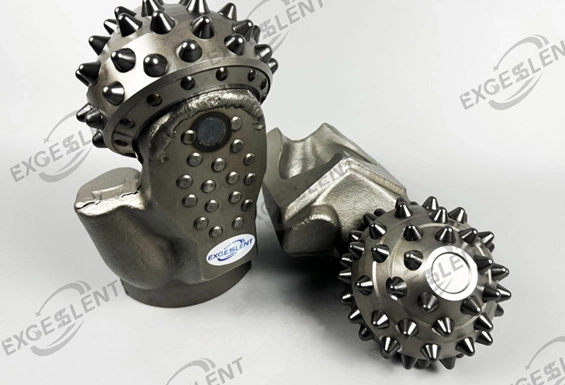
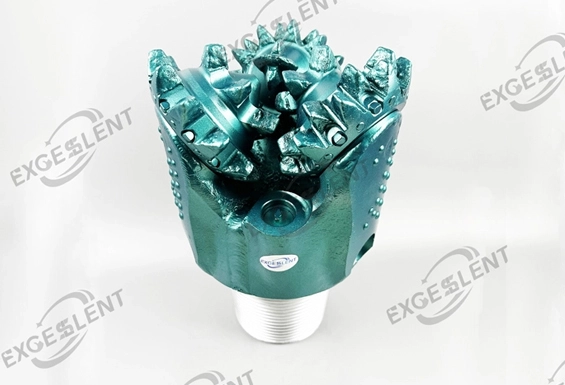
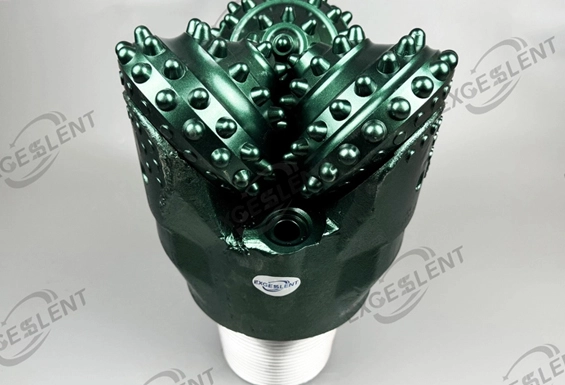
Our TCI tricone bits, also known as tungsten carbide insert bits, feature durable tungsten carbide inserts that excel in abrasive and hard formations, providing superior wear resistance and extended bit life.
Compliant with ISO and API 7-1 standards, these TCI drill bits are trusted worldwide for oil and gas exploration, mining, trenchless engineering, and water well drilling.
| IADC code | Formation | Weight (kN/mm) | Rotary Speed (r/min) |
| 437 | Soft formations with low compressive strength and high drillability, such as shale, clay, sandstone, conglomerate, etc. | 0.35-0.95 | 140-60 |
| 527 | Soft formations with low compressive strength, such as shale, clay, sandstone, soft limestone, salt rock, anhydrite, etc. | 0.35-1.05 | 120-50 |
| 647 | High compressive strength, medium hard and highly abrasive formations, such as limestone, dolomite, sandstone, chert, etc. | 0.70-1.20 | 70-40 |
| 735 | Medium abrasive formations and abrasive hard formations, such as hard shale, hard limestone, sandstone, siltstone, basalt, chert, granite, quartz sandstone, hard dolomite, hard limestone, pyrite,etc. | 0.60-1.10 | 90-50 |
| 837 | Highly abrasive hard formations, such as hard limestone, dolomite, hard sandstone, chert, etc. | 0.70-1.20 | 70-40 |
| Inch: Sanlong offers you standard sizes and custom sizes ranging from 3.5 to 26 inch. | |||
High wear resistance – tungsten carbide inserts extend tool life compared with steel-tooth bits.
Efficient cutting action – optimized tooth design improves ROP (rate of penetration).
Versatile applications – suitable for soft, medium, and hard rock formations.
Certified quality – meets ISO and API-7-1 standards.
Custom services – tailor-made solutions to meet your drilling requirements.
Oil and Gas Exploration: Perfect for penetrating abrasive interbedded formations, achieving higher ROP and reducing vibration for faster well completion.
Mining Exploration and Extraction: Excels in hard, abrasive rocks like granite or pyrite, enhancing durability and efficiency in geological surveys.
Water Well Drilling: Reliable for soft-to-hard aquifers, ensuring stable performance in hydrological detection and engineering piling.
Geothermal Development: Withstands high-heat environments for accessing earth's heat resources.
Trenchless Engineering: Versatile for urban infrastructure projects requiring precision in varied soils.
Select the correct IADC code based on formation hardness.
Adjust the weight on the bit and rotary speed according to specifications.
Inspect inserts and bearings regularly to maximize lifespan.
Feature | TCI Tricone Bit | Milled Tooth Bit |
Cutting structure | Tungsten carbide inserts, very durable | Steel teeth, lower durability |
Suitable formations | Soft to extremely hard, abrasive rocks | Soft to medium formations only |
Service life | Longer, fewer replacements needed | Shorter, wears faster |
Cost efficiency | Higher upfront, lower long-term cost | Lower upfront, higher replacement cost |
1. How do I select the correct IADC code?
Match formation hardness/abrasiveness and desired ROP. Our engineers can advise the best fit.
2. How do TCI bits compare to PDC bits?
TCI bits excel in mixed or abrasive rocks with better impact resistance, while PDC bits are faster in softer, uniform formations.
3. Are your TCI bits certified?
All comply with API 7-1 and ISO standards for global quality and safety.
4. What is the typical lifespan of a TCI tricone bit?
The lifespan varies based on formation conditions and operational parameters. However, TCI bits generally offer extended service life compared to other types, reducing the frequency of replacements and associated costs.
 EN
EN